-
Wed, Jun 10, 2026

You have already read the chapter on brain fog. But this goes deeper — because the conversation around menopause and cognitive health has expanded significantly, and it deserves its own space. Researchers are now describing menopause not just as a reproductive transition but as a neurological transition. And what you do during this window may have implications that extend decades beyond your last hot flash.
-
Wed, Jun 10, 2026

Bloating that appears out of nowhere. Constipation alternating with urgency. A digestive system that seems to have developed opinions about foods it previously tolerated without protest. If your gut has been staging a quiet revolution since you entered perimenopause, you are not alone — and you are not developing a new personality trait. Your microbiome and GI tract are responding, like everything else, to your changing hormones.
-
Wed, Jun 10, 2026

Osteoporosis is the quiet thief. It does not cause pain. It does not announce itself. It accumulates silently in your skeleton while you are managing the more visible and noisy symptoms of perimenopause — the hot flashes, the mood swings, the sleep deprivation. And then one day, a fall that should have been unremarkable results in a fractured wrist or a compression fracture in the spine, and suddenly what seemed like a distant old-age concern has arrived early.
-
Wed, Jun 10, 2026
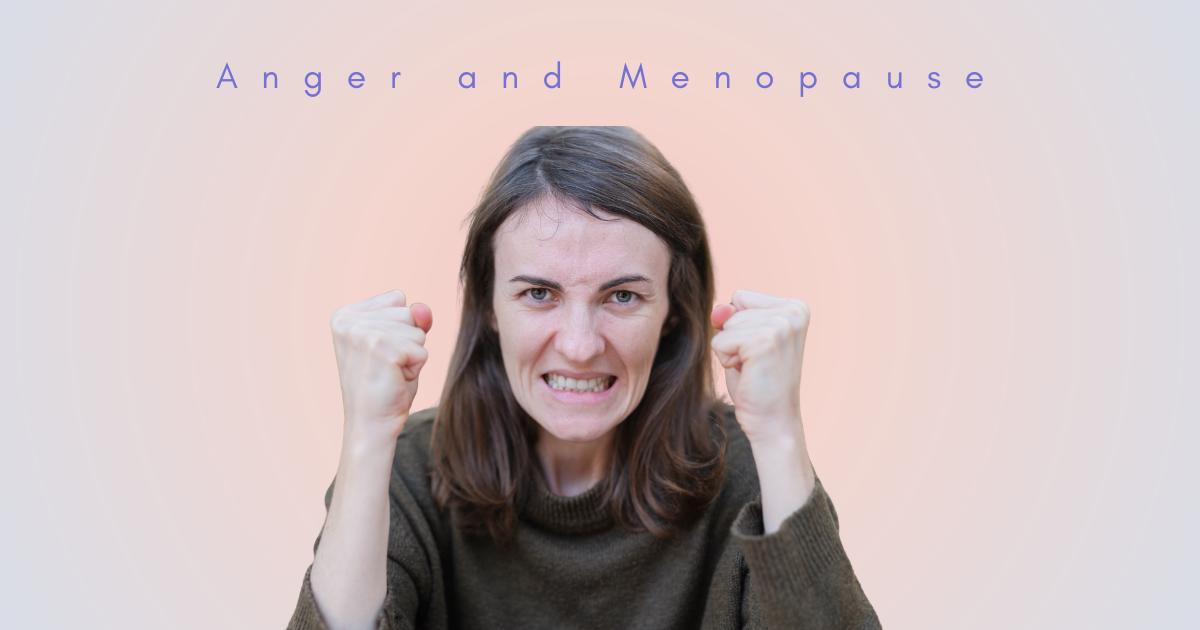
It starts small. The cabinet door left open for the thousandth time. The tone in someone's email. The way a perfectly reasonable request somehow lands like an accusation. And then, before you can fully process what is happening, you are disproportionately furious in a way that surprises even you. You are not usually like this. Except lately, you are.
-
Wed, Jun 10, 2026

You have faithfully used the same moisturizer for ten years. It has always been fine. And then one morning your skin looks like it aged five years while you were sleeping — dry, thinner, and somehow developing lines in locations you did not previously consider line-territory. Also: acne. At 47. The universe has jokes.
-
Wed, Jun 10, 2026
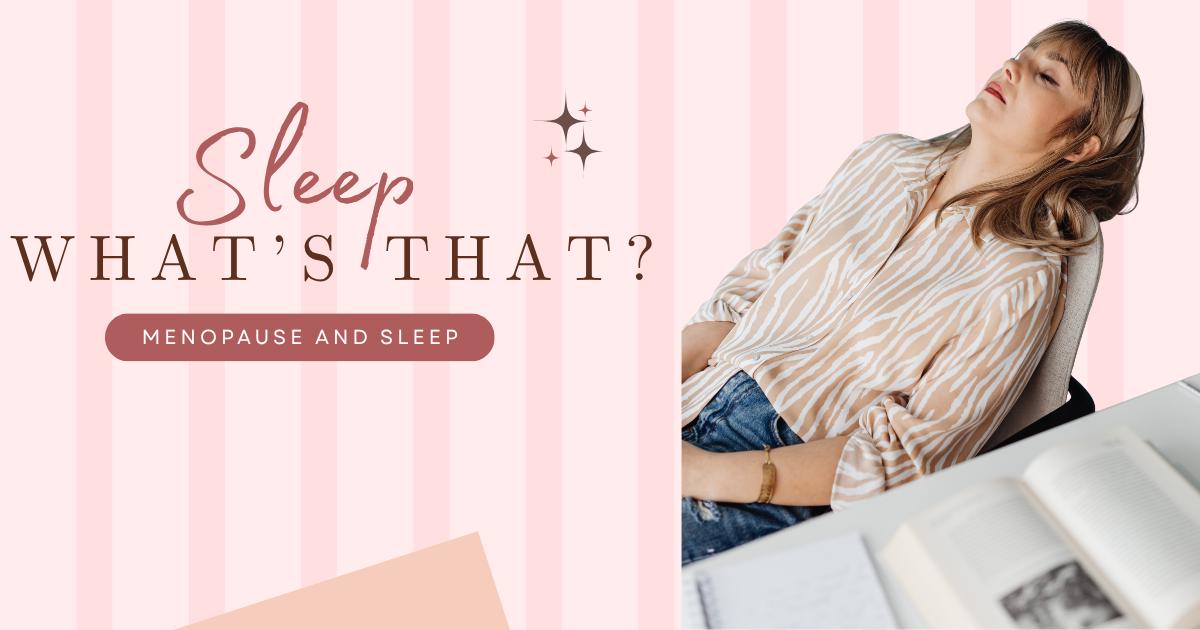
It is 3 a.m. You are completely awake. You are also apparently producing enough heat to warm a small apartment. Your mind has chosen this moment to run an itemized review of every awkward thing you have said since 1987. This is not insomnia the way you used to know insomnia. This is something else entirely.
-
Wed, Jun 10, 2026

One day you realize it has been a while. Not because anything is wrong in your relationship, not because you are particularly stressed — it just has not crossed your mind. The drive that was once a background hum of your daily experience has gone suspiciously quiet. And when you do consider it, there might also be the small issue of it being physically uncomfortable. Nobody told you about this part.
-
Wed, Jun 10, 2026
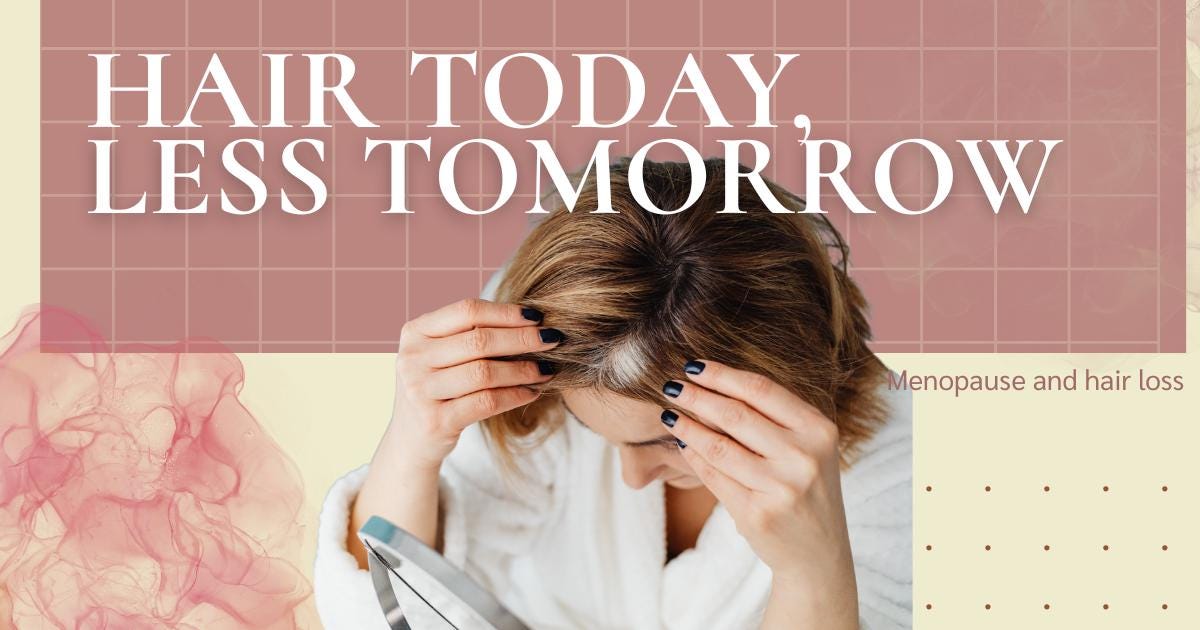
You notice it first in the shower drain. Then in your hairbrush. Then in the inexplicably large amount of hair on your pillow each morning. Your ponytail is thinner. Your part looks wider. And you find yourself studying other women's hairlines in a way that would be concerning if it were not so completely relatable.
-
Wed, Jun 10, 2026

You have not changed what you eat. You are still exercising. And yet your waistband tells a different story every morning. The jeans that fit six months ago now require a level of optimism and breath-holding that is simply not sustainable. You are not imagining it, and you are not failing. Your metabolism has received a memo that your conscious self was not copied on.
-
Wed, Jun 10, 2026

Nurse's Note: As estrogen declines, cardiovascular risk increases. This is not meant to alarm you — it is meant to motivate you to know your numbers: blood pressure, cholesterol, fasting glucose, and BMI. Menopause is a genuine inflection point for heart health, and the women who fare best are the ones who take it seriously before problems develop. Palpitations are often benign, but they are also an invitation to have that conversation with your provider.
