
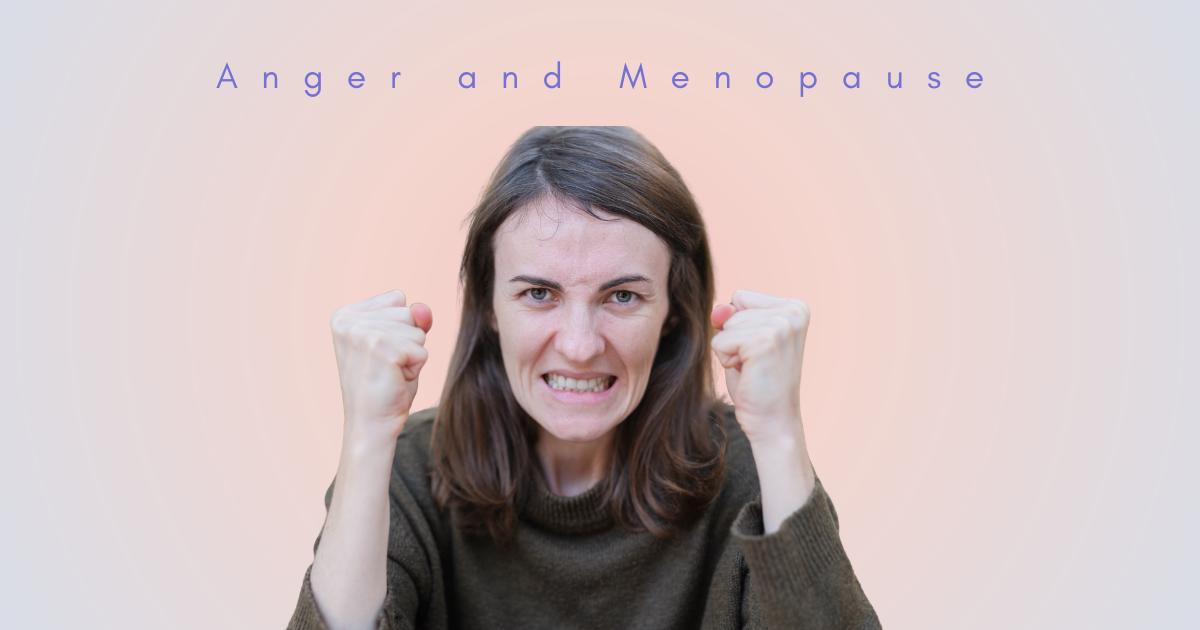
It starts small. The cabinet door left open for the thousandth time. The tone in someone's email. The way a perfectly reasonable request somehow lands like an accusation. And then, before you can fully process what is happening, you are disproportionately furious in a way that surprises even you. You are not usually like this. Except lately, you are. Perimenopause rage is real, it is common, and it is neurological — not character. If you have found yourself crying in the car over something minor, snapping at people you love, or feeling a volatility in your emotional responses that feels foreign and frightening, you are experiencing one of the most overlooked symptoms of the hormonal transition. The Neuroscience of Hormonal Mood Changes Estrogen and progesterone are not just reproductive hormones. They are powerful neuroactive compounds that directly modulate mood, emotional processing, and stress reactivity. Estrogen supports serotonin and dopamine production and sensitivity — the neurotransmitters most associated with mood regulation and reward. Progesterone, as mentioned, acts on GABA receptors, producing calming, anti-anxiety effects. As these hormones fluctuate during perimenopause — sometimes wildly from day to day — the brain's emotional regulation system becomes profoundly unstable. The amygdala (your brain's threat-detection and emotional reactivity center) becomes more reactive while the prefrontal cortex (responsible for impulse control and rational override) has less hormonal support to keep it in check. The result is a lower threshold for emotional reactions — irritability, frustration, anxiety, sadness — that feel more intense and less controllable than before. Layered onto this is the sleep deprivation that permeates this period, which independently and significantly impairs emotional regulation. You are not choosing to be this reactive. Your brain chemistry has changed. Distinguishing Perimenopause Mood Changes from Depression This distinction matters clinically. Perimenopause-related mood changes tend to:
- Fluctuate significantly across the menstrual cycle (if cycles are still present)
- Present more as irritability and anger than classic sadness
- Be accompanied by other perimenopausal symptoms
- Feel ego-dystonic — meaning they feel foreign and unlike your baseline self
Clinical depression, while also more common during perimenopause, tends to be more persistent, less reactive to cycle phase, and often accompanied by features like anhedonia (inability to feel pleasure), hopelessness, and changes in appetite and cognition. Both deserve treatment, but the treatment approaches differ. Perimenopause rage that is clearly hormonal may respond well to hormone therapy; clinical depression typically warrants antidepressant therapy, therapy, or both — possibly alongside hormonal treatment. What Helps Track Your Patterns Use a symptom tracking app or a simple calendar to track mood in relation to your cycle or to other perimenopausal symptoms. Patterns are clinically useful and emotionally validating — seeing that your worst days correlate with hormonal shifts reframes the experience from 'I am falling apart' to 'this is a predictable physiological event.' Nervous System Regulation Practices Regular practices that activate the parasympathetic nervous system — yoga, breathwork, meditation, time in nature, moderate exercise — build your physiological capacity for emotional regulation. These are not soft suggestions. They measurably change your stress response baseline. Even 10 minutes of daily breathwork has documented effects on emotional reactivity. Name It to Tame It Telling yourself 'this is a perimenopausal mood surge' in real time activates the prefrontal cortex and takes some of the charge out of the emotion. It sounds almost too simple, but labeling emotional experiences has neurobiological support. You are not suppressing the feeling — you are contextualizing it. That is different and more effective. Hormone Therapy For mood changes that are clearly hormonally driven, hormone therapy can be dramatically effective. Many women report that HRT transformed not just their physical symptoms but their emotional experience of this period. This is not about medicating your feelings; it is about restoring the neurochemical stability that fluctuating hormones have disrupted. Mental Health Support If rage is affecting your relationships, your work, or your sense of self, please consider working with a therapist — ideally one familiar with menopause-related mood changes. Cognitive behavioral therapy, in particular, has strong evidence for mood regulation skills that remain useful regardless of hormonal state. Nurse's Note: If you are having thoughts of harming yourself or others, please seek immediate support. Perimenopause can unmask or worsen serious mood disorders, and intensity of emotional experience is not the same as emotional instability that can be managed alone. You deserve support that matches the severity of what you are experiencing.